

LOUDONVILLE — The Cleo Redd Fisher Museum’s Speaker Series wraps up on Monday, April 21 with a thought-provoking program titled “Statues, Flags, and the Ongoing Battle Over the Meaning of the Civil War,” examining how symbols of the Confederacy continue to shape public memory and spark national debate.
In recent years, events like the 2015 mass shooting in Charleston and the 2017 unrest in Charlottesville have reignited national debates over Confederate monuments and flags.
These symbols have become flashpoints in a larger conversation about how we remember — and interpret — our shared history. What often gets overlooked in these debates is that monuments and flags are not simply historical artifacts; they are expressions of how certain groups have chosen to remember the past.
In the case of the Confederacy, many of these monuments were not erected in the immediate aftermath of the Civil War, but decades later — during the rise of Jim Crow laws — to reinforce white supremacy and erase the political presence of African Americans.
Similarly, the resurgence of Confederate flags in the mid-20th century was deeply tied to resistance against the Civil Rights Movement.
Together, these symbols reflect not just the legacy of the Confederacy, but also the power struggles over who gets to shape historical memory. While the South may have lost the Civil War on the battlefield, it succeeded in shaping much of the narrative that followed.
Today’s growing opposition to Confederate monuments and flags stems from a desire to reclaim that narrative and tell a fuller, more honest story about our past.
This lecture will explore how these symbols came to occupy such a central role in our cultural landscape, and what their continued presence — and the debates surrounding them—reveal about America’s ongoing struggle with its own history.
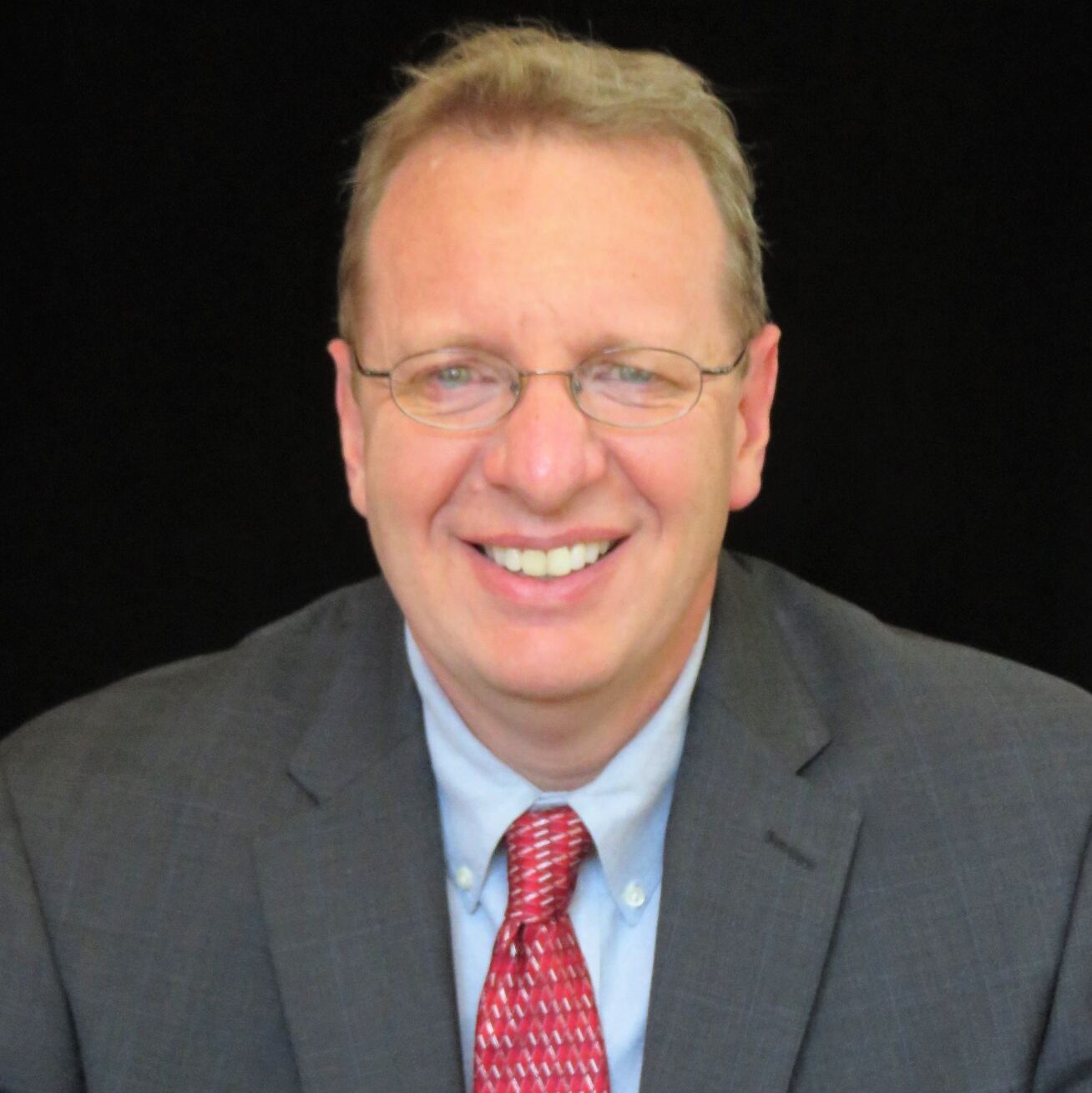
Joining us to discuss this topic is William Trollinger, professor of history at the University of Dayton.
He is also director of UD’s Core Integrated Studies Program, which features an innovative, five-semester interdisciplinary curriculum.
His publications include God’s Empire: William Bell Riley and Midwestern Fundamentalism (University of Wisconsin Press, 1990) and Righting America at the Creation Museum (Johns Hopkins University Press, 2016), the latter which he co-authored with his wife, Susan Trollinger.
He has also done a good deal of research on the Ku Klux Klan in Ohio in the 1920s; one result of this work is “Hearing the Silence: The University of Dayton, the Ku Klux Klan, and Catholic Universities and Colleges” (American Catholic Studies, Spring 2013), for which he won the 2014 Catholic Press Award for Best Essay in a Scholarly Magazine.
All events are held in the Cleo Redd Fisher Museum (203 E. Main Street in Loudonville, Ohio) and are free and open to the public. Doors open at 6:30 p.m., with the events beginning at 7 p.m.
This program is made possible, in part, by Ohio Humanities and the National Endowment for the Humanities.
Any views, findings, conclusions or recommendations expressed in this program do not necessarily represent those of Ohio Humanities, the National Endowment for the Humanities, or the Cleo Redd Fisher Museum.
For more information on the museum, or the series, interested persons can visit the museum online at www.crfmuseum.com or call the office at 419 994-4050.