

MOUNT VERNON — The Knox Substance Abuse Action Team, commonly referred to as KSAAT, will look a little different going forward as its central grant comes to an end.
Since 2015, the coalition received federal funding from a CDC-managed grant program called the Drug Free Communities Support Program.
Since the grant only allows a maximum of 10 years’ worth of funding, KSAAT will now operate as Communities Coming Together, a committee under the Knox Health Planning Partnership (KHPP).
How did the DFC grant work?
In 1997, the Drug Free Communities Act created the Drug Free Communities Support Program. From that program came Drug Free Communities grants, or DFCs.
The CDC manages the program’s day-to-day operations, while the White House Office of National Drug Control Policy (ONDCP) partners in the program and technically administers it, for now.
“The grant program, managed through the CDC, provides community coalitions across America funding for up to 10 years,” Tina Cockrell, KSAAT’s Drug Free Communities Grant Coordinator, said.
“The Knox Substance Abuse Action Team community coalition was awarded $625,000 in 2015 for five years of projects. In 2020, we wrote a competitive grant application to receive five years of additional program support.”
The funding period for this project ends this year; unfortunately, the program is capped for communities to only receive 10 years of funding.
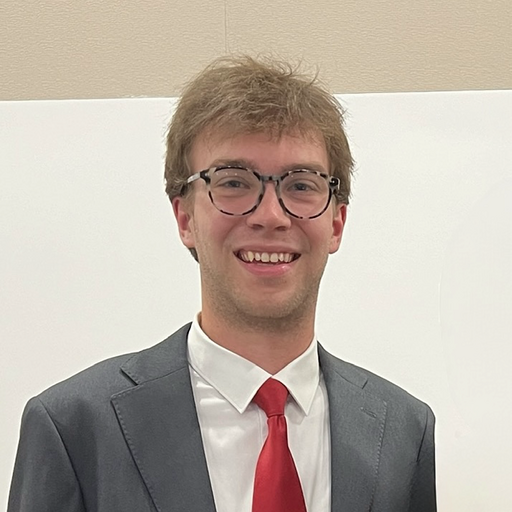
tina cockrell
However, KSAAT isn’t the only substance abuse prevention team navigating DFC changes.
According to a Community Anti-Drug Coalitions of America (CADCA) post, President Donald Trump’s budget for 2026 makes two key changes to the DFC program.
The ONDCP will no longer oversee the program. Instead, the American Hospital Association (AHA) will. Additionally, the program will receive $70 million in funding for 2026, compared to the $109 million from 2025.
CADCA’s post about the president’s budget states:
“This would drastically scale back the national reach of the DFC program and could result in funding decreases to existing grantees and halt any new grants from being awarded in FY 2026.”
What changes and what stays the same?
For starters, the name changes to Communities Coming Together as the coalition moves under the KHPP umbrella.
Funding for the coalition’s resources obviously changes as well.
“Now that the DFC grant cycle has ended, the coalition hopes the community sees the value,” Cockrell said.
“Taxpayer funding through Knox County levies and contributions from community partners like United Way and the Mental Health & Recovery Board are so important to keep community coalitions vibrant and responsive to the needs of our communities. These resources ensure prevention, youth engagement, and outreach activities continue without disruption.”
The coalition will continue to accept and partially rely on in-kind donations, as the coalition seeks future grant opportunities from One Ohio, SAMHSA, HRSA and OhioMHAS, Cockrell added.
However, KSAAT’s nuts and bolts will largely remain the same.
KSAAT will continue its core mission to engage our community in building partnerships dedicated to preventing and reducing substance abuse among youth and adults in Knox County.
Tina Cockrell
Cockrell says the coalition will still draw input from parents, law enforcement, youth and other local organizations.
Annual events like Overdose Awareness Day, Drug Take Back Day, Hidden in Plain Sight Parent Education, Communities Coming Together Conference and prevention campaigns will also remain untouched by the change.
“KSAAT will still collaborate with Knox Public Health, the Mental Health & Recovery Board, and service providers, ensuring prevention remains a community-wide effort,” Cockrell added.
KSAAT, under the KHPP, opens the door for substance use prevention strategies to coincide with the Community Health Improvement Plan.
“The future of the coalition will be strengthened through integration with KHPP,” Cockrell said.
“This shift ensures that the work started under the DFC grant will not only continue but also become part of a larger, more sustainable countywide health improvement strategy.”
KSAAT’s accomplishments so far
To get an idea of just how busy KSAAT is within the Knox County community, Cockrell noted some of the coalition’s accomplishments:
- Sponsored two half-day trainings in recognizing prescription drug misuse in the home with 66 home healthcare workers and other staff attending.
- Created three permanent prescription drop boxes at law enforcement locations in the county that are available 24/7 and promoted the boxes via posters and flyers.
- Collected and disposed of 3,921.02 lbs. of unwanted or expired prescription medications between Sept. 2011 and Dec. 2024.
- Facilitated policy changes between Knox Community Hospital and law enforcement to enable the sharing of information related to individuals illegally seeking prescription drugs.
- Initiated the development of the Overdose Response Team.
- Sponsored “Street Smart” presentations by Franklin County Sheriff’s Officers
- Conducted a media blitz to publicize the drug-related problems and solutions in Knox County, and got a resolution adopted by the County Commissioners acknowledging May as Substance Abuse Awareness Month.
- Conducted a survey with data from county schools, which assessed the extent of alcohol and drug education and comprehensive school-wide social-emotional programming.